
Kidney Transplant Surgery: What to Expect Before, During & After the Procedure
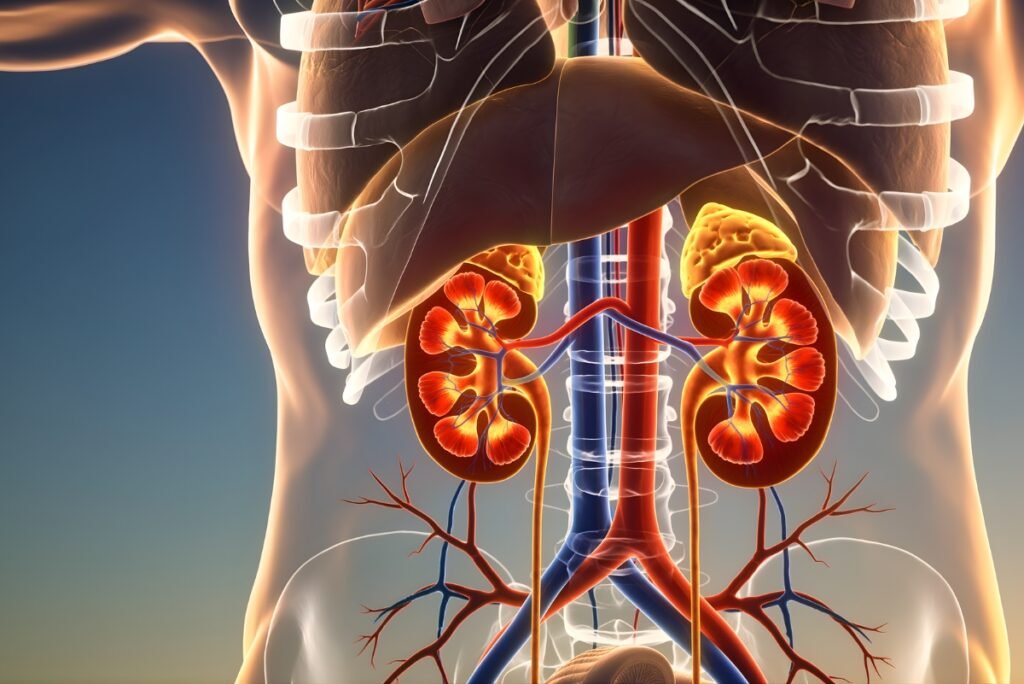
Kidney failure can have a serious impact on overall health and daily life, making timely and effective treatment essential. With advancements in medical science, kidney transplantation has become one of the most reliable and effective solutions for long-term recovery and improved quality of life.
A kidney transplant is a major medical procedure that can greatly improve the quality of life for patients suffering from kidney failure, especially when choosing a Kidney Transplant Specialist in Mumbai under the expert care of Dr. Chandan Chaudhari. Understanding the complete process from surgery to recovery helps patients and their families feel more confident and well-prepared for the journey ahead.
The Transplant Surgery: What to Expect
When a suitable kidney is available and confirmed, you will proceed to surgery. This is an important stage in the transplant process. Proper preparation and the right medical guidance play a key role in ensuring a smooth and successful procedure.
Before Surgery
Before the transplant surgery, you will be admitted to the hospital for final preparations. During this time, several important steps will be completed to ensure you are ready for the procedure.
1. Pre-Surgical Check-In: You’ll be admitted to the hospital.
2. Pre-Operative Preparation: Blood tests, chest X-ray, and an IV line will be placed.
3. Meeting the Team: You’ll meet your surgeon, anesthesiologist, and nurses who will explain the procedure and answer any last-minute questions.
During Surgery
The kidney transplant surgery is performed under general anesthesia, ensuring that you are asleep and comfortable throughout the procedure.
1. Anesthesia: You will be given general anesthesia, so you will be asleep and feel no pain.
2. Placement: The new kidney is typically placed in your lower abdomen, usually on the right or left side, separate from your own kidneys (which are usually left in place unless they cause problems).
3. Connections: The surgeon will connect the new kidney’s artery and vein to your blood vessels, and the ureter (tube carrying urine) to your bladder.
4. Duration: The surgery usually takes 3–5 hours.
After Surgery (Immediate Post-Op)
After the surgery is completed, you will be closely monitored to ensure a smooth and safe recovery.
1. Post-Operative Care Unit: After surgery, you are monitored in a specialized post-operative care unit, with transfer to the ICU if needed.
2. Tubes and Lines: You’ll have various tubes for monitoring, including an IV line, a urinary catheter, and possibly a drain near the incision.
3. Pain Management: Pain medication will be provided to keep you comfortable.
4. Early Mobilization: You will be encouraged to get up and move as soon as possible to aid recovery.
Life After Transplant: The Recovery Phase
The recovery phase after a kidney transplant is equally important as the surgery itself. It involves careful monitoring, medication management, and gradual return to normal activities.
The initial recovery period usually includes a hospital stay of about 5–10 days, followed by several weeks or months of close monitoring at home.
Hospital Stay
During your hospital stay, your medical team will closely observe your progress and guide you through the next steps of recovery.
1. Monitoring: Your new kidney function will be closely monitored through blood tests and urine output.
2. Medication Education: You will receive extensive education on your new medications, especially immunosuppressant.
3. Diet and Activity: You will gradually return to a normal diet and increase your activity levels.
First Few Weeks/Months at Home
Once discharged, you will continue your recovery at home with regular follow-ups and necessary precautions.
1. Frequent Follow-Ups: You’ll have frequent blood tests and clinic visits to ensure the kidney is functioning well and to adjust medications.
2. Activity Restrictions: You’ll need to avoid heavy lifting and strenuous activity initially to allow your incision to heal.
3. Infection Prevention: You’ll be given instructions on how to minimize your risk of infection.
4. Emotional Adjustment: It’s common to experience a range of emotions. Lean on your support system and communicate with your team.
Conclusion
Kidney transplant surgery is a life-saving procedure that requires proper understanding, preparation, and post-operative care. By knowing what to expect before, during, and after the surgery, patients can approach the process with greater confidence and clarity. Choosing a Kidney Transplant in Mumbai under the expert guidance of Dr. Chandan Chaudhari ensures advanced treatment, personalized care, and better outcomes. With the right medical support and careful follow-up, recovery can be smooth, helping patients return to a healthier and more active life.